



















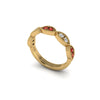
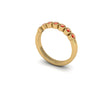
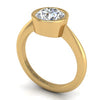
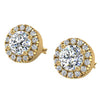







A ring is more than a piece of jewelry while it represents a special memory, milestone, or personal connection. This is why finding the right fit matters. A very tight ring feels uncomfortable, while a loose ring will slip-off easily. Ideally, a well-fitting ring should feel secure on your finger while still sliding over the knuckle with a little resistance. Keep in mind that ring size can be influenced by factors such as finger shape, ring width, and even natural changes in finger size throughout the day due to temperature or activity levels.
Before You Measure, Which Finger Are You Sizing?
Decide on which hand and on which finger the ring will be worn. The fingers on both hands can have a slight size difference. With this, measuring a ring according to the finger size may give an inaccurate result.
Apart from the measurement itself, ring placement also matters. Some wearers choose a finger according to gemstone symbolism, family custom, personal preference associated with the gemstone. Since the fingers on the left and right hands might not be the same, it’s important to measure the exact finger on which the ring will be worn. Taking measurement from a different finger will either be too tight or too loose when worn.
How Do You Find Out Ring Size? Three Simple Methods and Tips
When learning how to measure ring size, compare multiple measurements. Measure multiple times and use millimeter for precision.
Method 1: Measure an Existing Ring
Choose a ring that fits the intended finger. Please place it flat near a ruler and measure its inner diameter by measuring across the inner opening from one inside edge to the other, without including the metal band. This is often the clearest option when you already own a ring with a reliable fit.
Method 2: Use String or a Paper Strip
Wrap a narrow paper strip or non-elastic string around the finger base. Keep it close without pressing into the skin. Mark where the ends meet, lay it flat and measure the length in millimeter. This method is called finger circumference.
To understand how to find ring size in cm, divide the millimetre result by 10. For example, if the result is 54.4 mm, divide it by ten and the result is 5.44 cm. Retain the millimetre figure when matching a size because it gives a precise reference. Avoid using elastic cord or thick thread for measurement because it can distort the reading.
Method 3: Use a Printable Paper Sizer
Print the sizer at actual size or 100%, confirm the test scale with a ruler, and cut along the outline and the marked slit. Wrap it around the chosen finger with the numbers facing outward, then guide the pointed end through the slit until the fit feels snug but not tight. The reading at the slit represents the circumference. Make sure the sizer can pass over the knuckle, as it affects the way the ring will fit when worn. The jewelry professional use a tool called a ring mandrel to determine ring sizes with greater precision. Existing rings can also be placed on a mandrel to confirm their exact measurements.
Quick Accuracy Checks
-
Measure the intended finger at least twice.
-
Keep the string or paper level.
-
Check both the finger base and knuckle.
-
Do not pull the material tightly.
-
Choose the larger available size when a reading falls between two sizes.
-
Remember that broad bands may feel closer than slim bands.
Ring Size Chart for India with US and UK Conversion
The below-given chart represents the reference points available in the AUWL Assembly’s sizing guide. Diameter is the inner width of a well-fitting ring, while circumference is the distance around the finger. Note that the jeweler around the world do not follow a single universal ring sizing system. Different countries use different scales to represent the same measurements. For example, India, France, and Germany commonly use millimetre-based sizing systems, while the United States and Canada use numerical sizes.
In the United Kingdom, ring sizes are typically represented by letters, and half-letter increments. The size chart for men and women remains the same. Refer to our ring size chart to convert between international sizing standards and find the equivalent size for your region. If the finger measurement falls between two sizes, choose a larger size for more comfort. All pieces at the AUWL Assembly are tailor-made according to the size provided, accurate measurement is important for achieving the best fit. For additional guidance on sizing adjustments after purchase, you can also review our resizing and Repairs Policy.
|
Inner Diameter (mm) |
Circumference (mm) |
India |
US/Canada |
UK/Australia/New Zealand |
|
14.30 |
44.80 |
5 |
3.25 |
F ½ |
|
15.90 |
50.00 |
10.00 |
5.25 |
K |
|
16.50 |
51.90 |
12.00 |
6.00 |
L ½ |
|
17.32 |
54.40 |
14 |
7.00 |
N½ |
|
17.90 |
56.30 |
16.00 |
7.75 |
P |
|
18.54 |
58.40 |
18 |
8.50 |
Q½ |
|
19.20 |
60.20 |
20.00 |
9.25 |
S |
|
20.40 |
64.00 |
24 |
10.75 |
V |
|
20.60 |
64.71 |
25 |
11.00 |
V ½ |
|
22.00 |
69.10 |
29.00 |
12.75 |
Z ½ |
Use the ring size chart as a conversion reference rather than for rounding. For example, a 17.3mm inner diameter aligns closely with Indian size 14. For finding the centimetre, convert for convenience purposes, but it's good to return to millimetres before using the table. The same measurement may appear as an Indian number, a US number, or a UK letter. Check the scale before selecting.
Ring Size by Gemstone Ring Type
The gemstone itself does not determine ring size. Factors such as band width, setting style, ring profile, and the finger on which the ring is worn have a greater influence on fit. A slim ruby solitaire and a wide emerald cluster ring may fit differently even if they are made in the same size.
Solitaire and Raised Settings
Soitaire rings with narrow bands generally fit close to the measured size. However, raised settings can make the ring top-heavy, causing it to rotate if the fit is too loose. A secure but comfortable fit helps keep the gemstone centred on the finger.
Halo, Cluster, and Statement Rings
Halo rings with larger gemstone arrangements are often heavier than simple solitaire designs. Given their weight, these rings shift or turn more noticeably when worn loose. All of this assures accurate size, which helps improve stability and comfort.
Eternity, Pavé, and Wide Bands
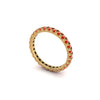
Eternity bands and rings with stones set around most or all of the band often feel tighter than narrow rings of the same size. Since more metal and gemstones come into contact with the finger, some wearers prefer a slightly roomier fit. Measuring carefully is particularly important because resizing options can be limited.
Finger Selection and Gemstone Traditions
In many traditions, specific gemstones are commonly worn on particular fingers. Since finger sizes vary considerably, measuring the exact finger intended for the ring is essential.
-
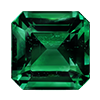
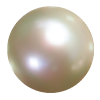
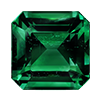
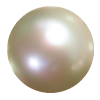
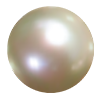
Pearl and Emerald are to be worn on the little finger.
-
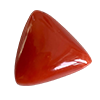
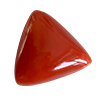
Red Coral and Ruby are associated with the ring finger.
-
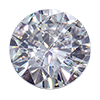
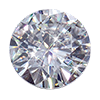
According to some traditions, a diamond is often worn on the ring finger. Some other traditions suggest that it should be worn on the middle finger.
-
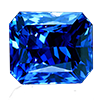
Blue Sapphire is worn on the middle finger.
-
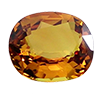
Yellow Sapphire is worn on the index finger.
For example, a person may wear a blue sapphire on the middle finger and a yellow sapphire on the index finger; despite the different fingers, the sizes too shall vary. This is particularly relevant for those who follow traditional gemstone-wearing guidelines for astrological or planetary considerations. This is relevant for those who follow gemstone-wearing guidelines for astrological or planetary considerations. If the main intention behind wearing a gemstone ring is planetary association,it is important to measure the specific finger on which it will be worn.
Tips for Measuring Ring Size Accurately
-
Avoid Measuring Cold Fingers: Cold temperatures cause fingers to shrink, resulting in a size that may feel too tight.
-
Consider the Knuckle Size: If the knuckle is larger than the base, choose a comfortable size.
-
Use a Reliable Ring Sizer: A professional ring sizer or jeweler's measuring tools generally provide more accurate results than string or paper methods.
-
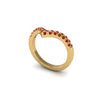
Check the Ring Width: Wider chevron bands often fit more snugly than thinner rings and may require a slightly larger size for comfort.
-
When in Doubt, consult a Jeweler: Professional sizing remains accurate to find the right fit and reduce the need for resizing later.
-
Measure at Different Times of the Day: Finger size naturally changes throughout the day as blood flow fluctuates. Fingers are often slightly larger in the warmer parts of the day and may swell a little during physical activity or in hot weather. Taking measurements more than once can help you identify a comfortable fit.
-
Consider Seasonal Changes: Finger size can also vary with the seasons, often becoming slightly smaller in winter and larger in summer. In some cases, the difference can be up to half a ring size.
-
Measure More Than Once: Even a difference of a few millimeters can affect how a ring feels. Taking multiple measurements can help improve accuracy and consistency.
-
Choose the Larger Size if Between Sizes: If your measurement falls between two ring sizes, selecting the larger option is often the more comfortable choice.
Conclusion
Learning how to measure ring size at home requires a lot of consistency. Measure the intended finger in millimeter, repeat the reading and consider the knuckle and band width. When still not able to do it, simply measure the existing ring for a diameter reference, while paper or a calibrated sizer gives circumference. This same process applies to measuring the centimetre, although millimetre measurement will be more useful for comparison. For additional information, check the resizing and repair policy.
Frequently Asked Questions
Q. Is ring sizing different for men and women?
The same diameter and circumference principles apply. The resulting size and preferred ring proportions may vary, but the measurement technique remains the same.
Q. Should all stacking rings be ordered in one size?
No. Several bands, especially the Laurel band , create a wider combined surface and may feel closer than one slim ring. Consider the total stack width and where each band will sit.
Q. Can Every Gemstone Ring Be Resized Later?
No. Plain bands are more adaptable, while full-eternity, pavé, twisted, or heavily stone-set designs may have limited resizing options. Check the design before ordering.
Q. What If Two Measuring Methods Give Different Results?
Repeat both methods under similar conditions and verify the scale. If they still differ, ask a jeweler to measure with a professional sizing tool.