

























Diamond shopping used to mean one choice. Today, the lab grown vs natural diamond question sits behind nearly every engagement ring, pair of earrings and milestone gift. This guide sets out the facts plainly, from what each stone is to how the two compare and how to choose between them, so your decision feels informed rather than rushed. Whether you are buying for yourself or for someone you love, clarity comes first.
What is a Lab-Grown Diamond and a Natural Diamond?
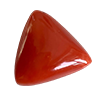
A natural diamond begins as carbon buried more than a hundred kilometers beneath the Earth's surface. Extreme heat and pressure, applied over hundreds of millions to billions of years, crystallize it into diamond. Volcanic eruptions later carry some of these crystals toward the surface, where they are mined, then cut and polished into the stones we set in jewelry.
Because the process is geological rather than engineered, natural crystals vary widely in size and color, and only some are of gem quality.
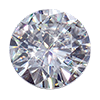
A lab grown diamond is the same material, grown instead in a controlled environment. It starts from a tiny diamond seed and develops through high pressure and high temperature (HPHT) or chemical vapor deposition (CVD), before being cut and polished in just the same way.

What is the Difference Between Lab-Grown and Natural Diamonds?
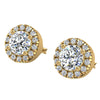
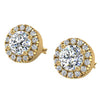
In any lab vs natural diamond comparison, the naked eye is the wrong judge. Both handle light in the same way, so the sparkle in a ring, or in a pair of Lab-Grown Diamond Earrings, is governed by cut and proportion rather than origin. Even a trained jeweler generally needs specialized laboratory equipment to tell one from the other.

The genuine differences lie beneath the surface:
- Internal character: natural diamonds carry inclusions and growth patterns formed by geology, while lab grown stones show patterns left by their growth method. Gemological laboratories read these signatures.
- Availability: natural diamonds arrive in the quantities the earth allows, whereas lab grown diamonds can be grown as demand requires, so supply is far more flexible.
- Grading standard: origin aside, both types are graded on the same four Cs of cut, color, clarity and carat, which is what makes a direct, like-for-like comparison possible in the first place. A well-cut stone will always out-sparkle a poorly cut one, no matter where it formed, so the grade on the certificate matters more than the origin printed above it.
- Disclosure: a grading report from a reputable laboratory states a stone's origin directly on the certificate, so however similar two diamonds look side by side, the paperwork settles the question without any guesswork.
Lab-Created vs Natural Diamond: How Do Prices Compare?
A lab-grown diamond typically costs less than a natural diamond with the same carat weight, cut, color and clarity. The price difference reflects how the stones are sourced, not a difference in their diamond properties.
The setting, metal and accent stones also affect the final jewelry price. A lower stone price may let you choose a larger diamond or a more detailed design within your budget. When comparing lab-grown diamond engagement rings, check the full specifications, not carat weight alone.
Lab Diamonds vs Real Diamonds: Are Lab-Grown Diamonds Real?
Yes. Framing it as lab grown diamonds vs real diamonds implies that one is genuine and the other an imitation, and that is not the case. Lab grown diamonds are real diamonds: carbon arranged in the same crystal structure as a natural one. Cubic zirconia and moissanite are different materials that only resemble diamond.
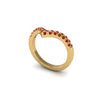
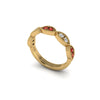
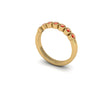
That shared structure brings the same hardness. Diamond scores 10 on the Mohs scale, so a piece worn daily, such as Lab-Grown Diamond Wedding Bands, resists scratching through everyday wear. Sellers sometimes use "real" as shorthand for natural, but authenticity and origin are separate questions.
Lab-Grown vs Natural Diamond: Which Should You Choose?
The difference between lab grown and natural diamonds is largely one of origin, so the right choice depends on what that origin means to you. When weighing lab created vs natural diamonds, these leanings can help:
- Lean towards lab grown diamonds if modern innovation appeals to you and you like the idea of a stone grown by design.
- Lean towards natural diamonds if you value a stone shaped by geology and the sense of heritage that comes with it.
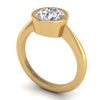
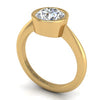
Then look at the design. If you want the stone to do the talking, Lab-Grown Diamond Solitaire Rings place a single center diamond in focus. A piece meant for daily wear rewards a secure, low setting, while one kept for occasions can carry a more elaborate design.
Conclusion
The choice between a lab-grown and natural diamond ultimately comes down to what matters most to you. Both are real diamonds with the same brilliance, durability and grading standards, but they differ in how they are created, their price and the story behind them.
If you prefer a diamond created using modern technology and want more flexibility in size or design within your budget, a lab-grown diamond may be the right fit. If natural origin, rarity and geological history matter more to you, a natural diamond may feel more meaningful.
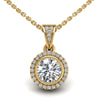
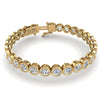
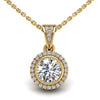
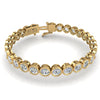
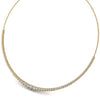
If you are considering lab-grown diamonds, AUWL Assembly offers them across different jewelry categories, including engagement rings, wedding bands, earrings, pendants and bracelets, so you can explore the type of piece that best matches what you are looking for.
FAQs
Will a diamond tester detect a lab-grown diamond as fake?
No. A standard handheld diamond tester checks for genuine diamond material, and a lab-grown diamond passes it the same way as a natural one does, since both are chemically identical. Telling the two apart takes specialized laboratory equipment, not a handheld tester.
Are AUWL Assembly's lab grown diamond pieces made upon order?
Yes. Each piece is made upon order and ships within 3 to 5 weeks for domestic orders and 4 to 6 weeks for international orders, it’s worth placing the order in advance of the occasion.
Do lab grown diamonds need different care from natural diamonds?
No. Clean lab-grown diamonds the same way as natural ones, with mild soap and water, and dry them with a soft, lint-free cloth. Every AUWL Assembly order also includes a complimentary soft pouch, a complimentary cleaning cloth with its premium packaging.
Which shapes are available in lab grown solitaires?
The lab grown solitaire collection includes round, oval, emerald, pear, princess, cushion and trillion cuts.
Do lab grown diamonds hold their value like natural diamonds?
Not usually to the same degree. Resale markets generally pay less for lab grown diamonds than for natural ones, and AUWL Assembly offers no buy-back on jewelry once sold, so choose for the pleasure of wearing it, not as an investment.