

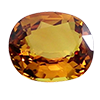
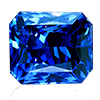












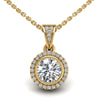
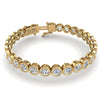






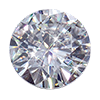

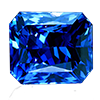
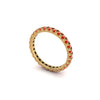
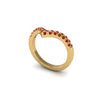
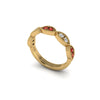







Diamonds have always been admired for their brilliance, durability, and timeless appeal in jewelry. With advancements in technology, a new category of diamonds has gained attention among modern jewelry enthusiasts.
Understanding what are lab grown diamonds helps explain how these stones are created using advanced scientific methods. Lab-grown diamonds offer the same physical and chemical properties as mined diamonds while being created in controlled environments.
They have become a popular choice for contemporary jewelry designs. From engagement rings to everyday diamond pieces, these diamonds combine innovation with traditional beauty.
Lab-Grown Diamonds Meaning
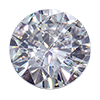
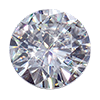
Lab-grown diamonds are real diamonds created in advanced laboratories using technology that replicates the natural diamond formation process. They have the same carbon structure, hardness, brilliance and chemical composition as naturally mined diamonds. Unlike diamond simulants such as cubic zirconia or moissanite, lab-grown diamonds are actual diamonds rather than substitutes.
The primary difference lies in their origin. Mined diamonds form beneath the Earth’s surface over billions of years, while lab-grown diamonds are created under controlled laboratory conditions. They are graded by recognised gemological laboratories using the same criteria as natural diamonds: cut, color, clarity and carat weight.
How Are Lab-Grown Diamonds Made?
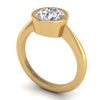
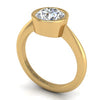
Lab-grown diamonds are created by replicating the natural conditions needed for diamond formation, using a small diamond seed and carbon. The two primary methods are High Pressure High Temperature (HPHT) and Chemical Vapor Deposition (CVD), each using controlled conditions to grow the crystal. Once formed, the diamonds are cut and polished for Jewelry, including Lab-Grown Diamond Solitaire Rings.
High Pressure High Temperature (HPHT) Method
The HPHT method is one of the earliest techniques used for creating lab-grown diamonds. It replicates the extreme heat and pressure conditions found deep inside the Earth. A diamond seed is placed with a carbon source and exposed to high pressure and temperature, allowing carbon atoms to form a diamond crystal around the seed. This method is commonly used to create high-quality diamonds with characteristics similar to natural stones.
Chemical Vapor Deposition (CVD) Method
The CVD method creates diamonds by depositing carbon atoms onto a diamond seed inside a controlled chamber. A carbon-rich gas is activated, allowing carbon particles to attach layer by layer and develop into a diamond crystal. Compared to HPHT, CVD provides greater control over the growth environment and is widely used for producing diamonds with specific qualities.

What Are the Components of Lab-Grown Diamonds?
Lab-grown diamonds are made primarily of carbon atoms arranged in a crystal lattice, with other elements or internal features sometimes present.

- Carbon Atoms : Carbon is the primary element in a diamond. In lab-grown diamonds, carbon atoms bond together under controlled conditions to form the diamond crystal.
- Crystal Lattice : A crystal lattice is the structured arrangement of carbon atoms within a diamond. This arrangement gives diamonds their characteristic hardness and crystal structure.
- Diamond Seed : A diamond seed is a small diamond crystal that provides the starting surface for diamond growth. Both HPHT and CVD methods use a diamond seed to develop the larger crystal.
- Trace Elements : Trace elements are tiny amounts of elements other than carbon that may be present within a diamond. Their presence can influence certain characteristics, including the diamond’s color.
- Inclusions : Inclusions are internal features that can develop within a diamond during its growth. Depending on their type, size and location, they can affect the diamond’s clarity.
Are Lab-Grown Diamonds Real?
A common question among Jewelry buyers is whether lab-grown diamonds are real diamonds. The answer is yes, as they have the same chemical composition, crystal structure and physical properties as naturally mined diamonds. Both are made of carbon arranged in a crystalline structure, which gives them exceptional hardness and brilliance.
The main difference lies in their origin. Natural diamonds form under geological conditions over millions or billions of years, while lab-grown diamonds are created using advanced laboratory technology within a shorter timeframe. Despite being produced in laboratories, they develop the same crystal structure and properties as mined diamonds. They are also graded according to cut, color, clarity and carat weight, with certification providing details about their quality and characteristics.
Lab-grown diamonds are widely used in Jewelry for proposals, celebrations and other meaningful occasions. Their certified quality and timeless appearance make them suitable for designs such as Lab-Grown Diamond Engagement Rings, where the diamond remains the centre of attention.
Are Lab-Grown Diamonds Good for Astrology?
Astrology traditionally considers gemstones based on their natural origin, symbolism, and believed energetic properties. Some individuals prefer natural diamonds for astrological purposes due to traditional beliefs associated with mined gemstones. However, lab-grown diamonds share the same chemical and physical characteristics as natural diamonds. Whether someone chooses a lab-grown diamond for astrology depends on their personal beliefs, preferences, and guidance from an astrologer.
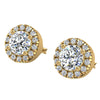
From a jewelry perspective, lab-grown diamonds provide the same visual appeal and durability expected from diamond jewelry. Different diamond settings also allow individuals to select designs based on their personal style preferences. For those who prefer detailed and elegant designs, Lab-Grown Diamond Halo Rings offer a setting where smaller diamonds surround the centre stone to enhance its overall appearance.
Choosing Lab-Grown Diamond Jewelry for Different Occasions
Choosing lab-grown diamond jewelry becomes easier when you think about where and how the piece will be worn. Some styles work well for everyday use, while others naturally fit engagements, weddings or special celebrations.
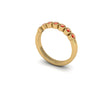
- Weddings : A wedding band is often chosen with long-term wear in mind, especially if it will be paired with an engagement ring. Lab-Grown Diamond Wedding Bands can work as part of a ring set or be worn on their own.
- Weddings : For an engagement, most people look at the centre stone, setting and overall ring style. Lab-Grown Diamond Engagement Rings can range from simple solitaire designs to more detailed settings.
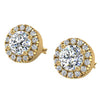
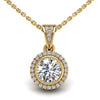
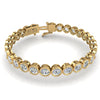
- Everyday Wear : For jewelry you plan to wear for Office attire or casual evening, comfort and easy styling matter. Lab-Grown Diamond Earrings, pendants, Tennis Necklace and bracelets are simple options that can fit naturally into everyday looks.
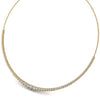
- Celebrations and Milestones : Special occasions can be a good time to choose something a little more noticeable. A Lab-Grown Diamond Tennis Necklace, for example, can work well for anniversaries, milestone birthdays or formal celebrations.
- Gifting : When choosing diamond jewelry as a gift, it helps to think about the person’s style and what they normally wear. Earrings, pendants and bracelets are often easier to match with different tastes and occasions.

Conclusion
Lab-grown diamonds offer the same chemical composition, brilliance and durability as natural diamonds, created through advanced laboratory processes rather than natural geological formation. Certified for quality across cut, color, clarity and carat weight, they provide a reliable and transparent choice for buyers.
Their versatility makes them well-suited to a range of occasions, from engagement rings and wedding bands to everyday wear and thoughtful gifting. For those exploring lab-grown diamond Jewelry, AUWL Assembly offers designs across different Jewelry categories while keeping the focus on modern style and everyday wearability.
FAQs
Are lab-grown diamonds certified?
Yes, lab-grown diamonds can be certified by recognized gemological laboratories. The certificate provides details about their quality, including cut, color, clarity, and carat weight.
Do lab-grown diamonds last as long as natural diamonds?
Yes, lab-grown diamonds have the same hardness and durability as natural diamonds. With proper care, they can last for generations.
Are lab-grown diamonds cheaper than natural diamonds?
Lab-grown diamonds are generally priced differently due to their production process and market factors. The final price depends on characteristics such as size, quality, and certification.
Can lab-grown diamonds be used for engagement rings?
Yes, lab-grown diamonds are suitable for engagement rings due to their durability, brilliance, and availability in different designs.
How should lab-grown diamond jewelry be maintained?
Lab-grown diamond jewelry can be cleaned with mild soap, warm water, and a soft brush. Regular professional cleaning can also help maintain its shine.
Do lab-grown diamonds change color over time?
No, high-quality lab-grown diamonds maintain their color and appearance when properly cared for.