













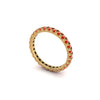
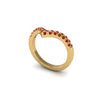
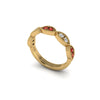
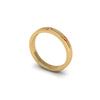
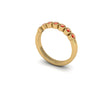
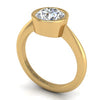
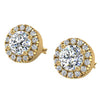





Life today moves fast, and with deadlines piling up, decisions feel heavier. Having said this, people are searching for stones for anxiety relief to find some calmness. Vedic traditions, and modern wellness practices suggest wearing gemstones associated with emotional balance, mental clarity, and inner stillness.
Wearing the right gemstone serves as a quiet, wearable reminder to slow down, and breathe. Amidst all this, when the stone is set in gold, it becomes an accessory, and an intention to bring in a change that comes with the wear.
Can Gemstones Help You Manage Stress and Anxiety?
The relationship between gemstones, and emotional well-being has been documented across cultures for centuries. Ancient Egyptians used lapis lazuli for protection, and peace. Vedic astrology suggests specific gems to balance planetary energies, and support mental harmony. Traditional Chinese medicine recognised jade as a stone of serenity.
Modern wellness communities continue to follow these traditions by combining gemstone wearing with mindfulness, breathwork, or meditation. Although the scientific research on the direct physiological effects of gemstones is limited, many people find genuine benefit in the ritual itself. The ritual is the act of choosing a stone with intention, wearing it close to the body, and returning to its meaning throughout the day.
There is also something to be said for the psychological effect of tactile anchoring. When the epiceis is worn with personal significance, a smooth pearl at your collarbone or a deep blue sapphire jewel on your finger. They can serve as a gentle, sensory cue to pause, ground, and re-centre. The emotional power of gemstones is not about magic; it is about meaning, and when worn beautifully, it has a quiet but real effect on how we move through the world.
What are the Best Gemstones for Stress and Anxiety Relief?
Here are a few gemstones for anxiety, and stress that have been connected to calm, and emotional balance
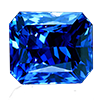
Blue Sapphire
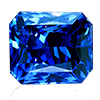
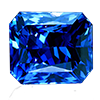
Blue Sapphire is the stone of wisdom, focus, and serenity. Its deep, cool hue has meditative clarity, and feels calm. In Vedic tradition, Blue Sapphire is one of the most powerful planetary gemstones, associated with Saturn, the planet that governs discipline, structure, and mental resilience. Blue sapphire helps people who catch stress from scattered thoughts or an overactive mind.
Benefits: Promotes mental clarity, reduces overthinking, supports focus, and emotional discipline.
Ideal Jewelry Form: A solitaire ring worn on the middle or right-hand ring finger keeps the stone in frequent contact with the skin
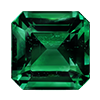
Emerald
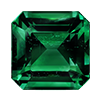
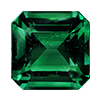
Emerald's rich green color has long been associated with nature, renewal, and emotional equilibrium. In ancient Rome, it was considered the gemstone of Venus, the panacea of love, harmony, and inner peace. Green is known to have a soothing effect on the nervous system.
Emerald is a gemstone that is believed to open the heart, dissolve emotional turbulence, and encourage a sense of hope, and renewal. It is particularly well-suited for those navigating relationship stress or emotional burnout.
Benefits: Supports emotional healing, encourages compassion, brings a sense of renewal, and calm.
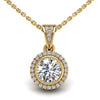
Ideal Jewelry Form: An emerald pendant worn close to the heart in 18KT gold makes it visually striking.
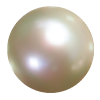
Pearl
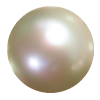
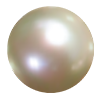
Pearl is the only gemstone born from a living creature, formed quietly, and slowly within the ocean. Pearl, as a gemstone, brings patience, calmness, purity, and emotional wisdom.
In Vedic astrology, Pearl governs the Moon, which rules emotions, instincts, and mental cycles. Wearing Pearl jewelry is recommended for people facing mood fluctuations, emotional sensitivity, or anxiety rooted in emotional unrest. It is one of the gentlest stones for anxiety relief, working subtly to soothe rather than stimulate.
Benefits: Calms emotional reactivity, supports hormonal, and mood balance, promotes patience, and self-awareness.
Ideal Jewelry Form: A pearl pendant worn close to the heart in 18KT gold creates an elegant look.
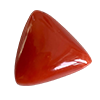
Red Coral
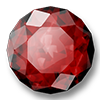
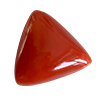
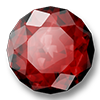
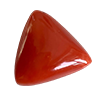
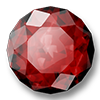
Anxiety often has a physical dimension, such as tightness in the chest, a depletion of energy, or a reluctance to act. Red Coral is traditionally associated with Mars, and is believed to restore vitality, courage, and the drive to move forward.
Although it's not a calming stone, it is sedative. The red coral directly addresses the restlessness, and fatigue that often accompany chronic stress. It is recommended as a gemstone for stress that stems from indecision, low motivation, or a feeling of being overwhelmed by life's demands.
Benefits: Restores energy and confidence, reduces emotional stagnation, supports action, and decisiveness.
Ideal Jewelry Form: Red Coral jewlery can be worn as a bold solitaire or halo ring setting, particularly in warm 18k yellow gold, which complements the stone's vivid warmth.
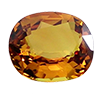
Yellow Sapphire
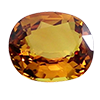
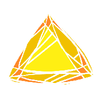
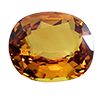
Yellow Sapphire, associated with Jupiter in the Vedic tradition, is a gemstone of wisdom, abundance, and positive thinking. For people experiencing anxiety, fear of the future, self-doubt or a pervasive sense of pessimism, Yellow Sapphire jewelry is recommended to shift the perspective, and invite a more expansive, hopeful outlook.
Benefits: Promotes optimism, and confidence, supports clear thinking, and encourages a sense of abundance, and forward momentum.
Ideal Jewelry Form: A Yellow Sapphire ring in a prong or bezel setting brings out the golden hue. This indicates a luminous and uplifting effect.
How Do Gemstones Associated with Calm Compare?
|
Gemstone |
Benefit |
Best for |
Worn as |
|
Blue sapphire |
Mental clarity |
Overthinking |
|
|
Emerald |
Emotional balance |
Burnout, and relationship stress |
|
|
Pearl |
Calmness, and emotional wisdom |
Mood swings, and sensitivity |
|
|
Red coral |
Vitality, and courage |
Exhaustion, and indecision |
|
|
Yellow sapphire |
Optimism |
Self-doubt, and fear of the future |
Which Gemstone Matches Different Sources of Stress?
Just like there are types of stress, there are different gemstones for stress. Here is a guide to matching your stress trigger with the right stone.
When Your Mind Won't Quiet Down (Blue Sapphire)
If focus is the main issue, the natural counter to it is blue sapphire. The gemstone is associated with mental discipline, and clarity. Blue sapphire's cool, and composed energy is described as a mental anchor.
When You Feel Emotionally Drained (Emerald)
Emotional exhaustion that comes from people-pleasing, relationship, prolonged caregiving can respond well or rather turn the tables, when emerald jewelry is worn. The stones act as an icy reliever, and can reconnect with emotional needs after a period of giving too much.
When Your Moods Feel Unpredictable (Pearl)
If anxiety shows up as mood swings, heightened sensitivity, or a general emotional vitality, Pearls are recommended. It supports emotional regulation without dulling feelings. Pearl brings in a gentle, and patient relationship with oneself.
When You Feel Paralysed or Unmotivated (Red Coral)
Anxiety sometimes manifests as a complete inability instead of hyperactivity. When stress leads to procrastination, fatigue, or a sense of being stuck, Red Coral can help regain momentum, and restore a sense of agency.
When Self-Doubt Takes Over (Yellow Sapphire)
For anxiety rooted in imposter syndrome, social fear, or an inability to trust your own judgement, Yellow Sapphire's connection to wisdom, and expansion offers a meaningful counter-balance. They're known for inspiring confidence, not falsely, but in a grounded way.
How Can Gemstone Jewelry Fit into a Calming Routine?
Wearing a gemstone intentionally is a small, manipulative reaction. Here are a few ways to incorporate gemstone jewelry into the daily routine for well-being.
Wear it consistently
Many traditional practices focus on continuous contact with the skin. Due to this, rings, and pendants are recommended.
Choose the right metal
In the Vedic tradition, specific metals are recommended for each planetary gemstone. Yellow gold is highly recommended for most stones because it is warm, auspicious, and conductive.
Set an intention when you put it on
Before wearing your piece, take a breath, and name what you are asking of the day: clarity, calm, courage, or simply presence. This can add positivity to the gemstone.
Keep it clean
A gemstone that looks beautiful when it is timely cleaned. Clean gold, and gemstone jewelry gently with warm water, and a soft brush. Avoid harsh chemicals or ultrasonic cleaners with stones like Pearl or Emerald, which are relatively delicate.
Pair it with other mindfulness practices
Gemstone jewelry works best as a complement, and not as a replacement for breathwork, journaling, therapy, or movement. Consider it as a web link to the broader intention.
Trust your intuition
The gemstone that pulls the weird towards itself is worth considering. Amidst this, aesthetic resonance, and personal meaning are themselves a form of emotional intelligence.
Frequently Asked Questions
Q. Can I wear more than one gemstone at a time for stress relief?
Wearing multiple gemstones is common, but it is worth being thoughtful about combinations. In Vedic astrology, some gemstone combinations are generally not recommended, as they are believed to represent conflicting planetary influences. For example, Blue Sapphire, and Ruby are often advised against being worn together.
Q. Does the size or carat weight of a gemstone affect its emotional properties?
Traditional Vedic practice does suggest that a gemstone needs to meet a minimum weight to be effective, probably 2 carats, and above for planetary stones. However, for emotional and mindfulness purposes, resonances are more important than size. A smaller stone worn consistently, and intentionally can be very meaningful.
Q. Is it better to wear a gemstone ring on a specific finger?
Yes, in astrology, each finger corresponds to a planet. Blue Sapphire, and Yellow Sapphire are traditionally worn on the middle finger, Emerald on the little finger, and Ruby on the ring finger. Pearl is often worn on the little finger as well. These are just suggestions, not rigid rules.
Q. How long does it take to feel the effects of wearing a gemstone?
Those who practice gemstone therapy often suggest a trial period of 30 to 90 days of consistent wear. Emotional shifts are gradual, not immediate. If the stone is uncomfortable in any way, consider pausing, and reassessing.
Q. Can gemstone jewelry replace professional mental health support?
No. Gemstone jewelry is a complementary practice, not a medical treatment. If the wearer experiences significant anxiety or stress, speaking with a qualified mental health professional is important. Gemstones are a mindfulness tool in addition to promoting better well-being.
Q. How do I know if a gemstone is of good quality?
Look for certification from a recognised gemological laboratory such as the IGI, SGL, HRD, DGLA, and GSI. Make sure there is hallmarking, and proper documentation for transparency.